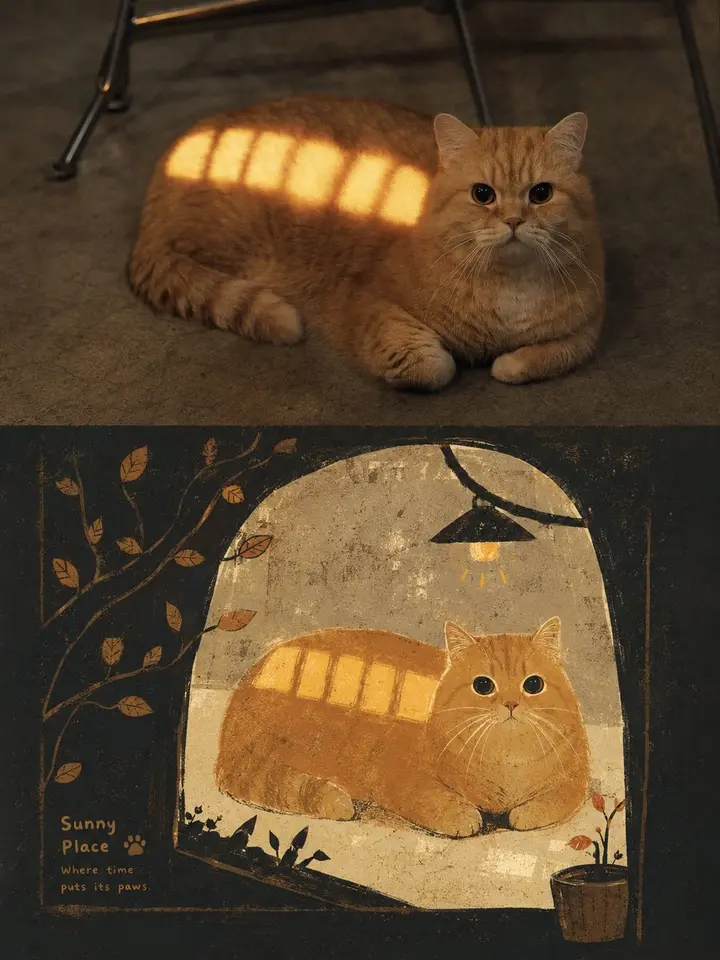
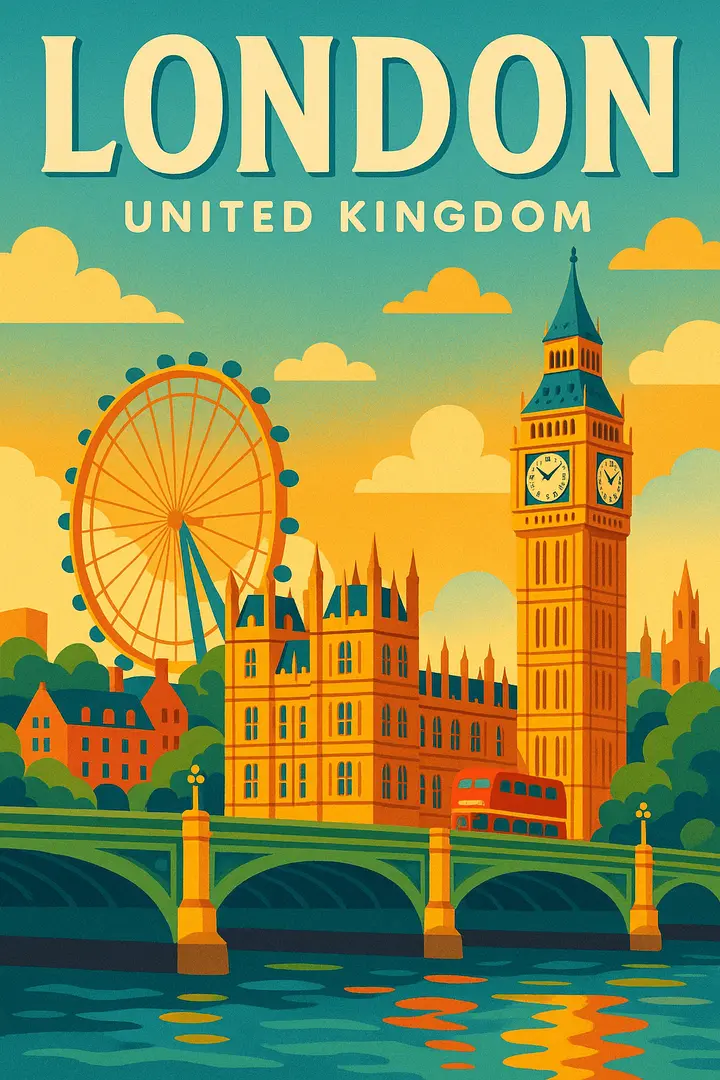
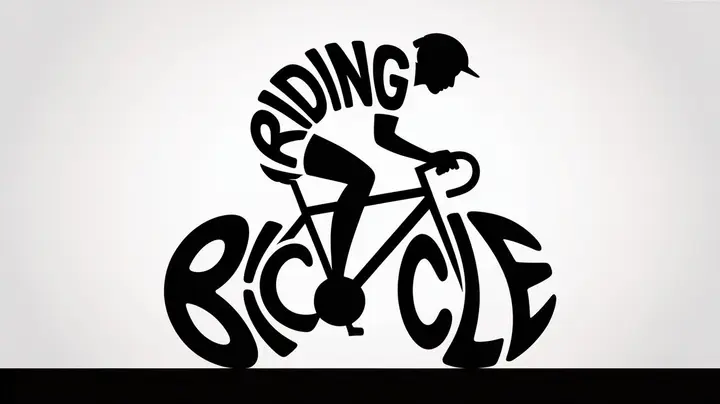
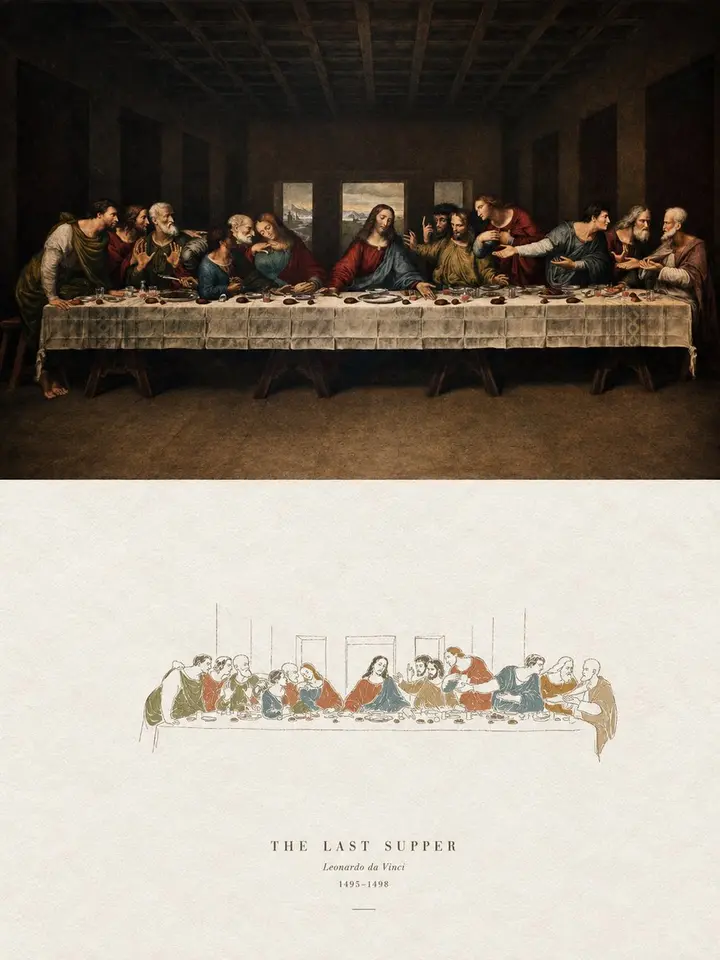
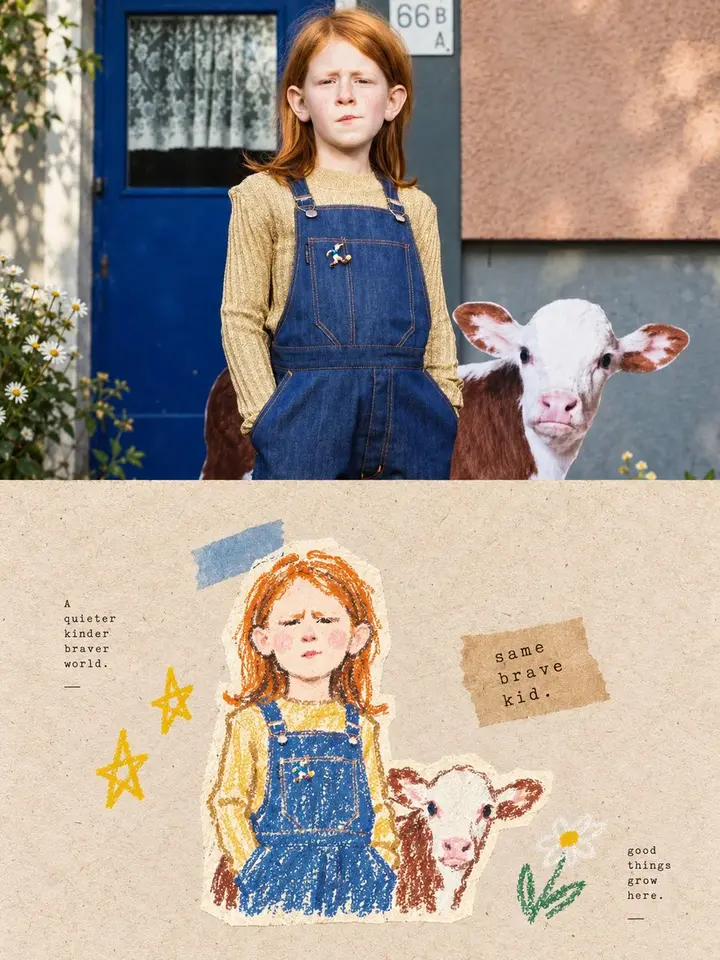
Turn each photo I upload into its own separate premium design poster; no collage, one output per photo. 3:4 vertical layout, top and bottom sections at an exact 1:1 height ratio, each 50%. The approach must work for people, animals, buildings, still lifes and nature, not only cities.

The top half keeps the original photo, preserving the subject's identity, action, spatial relationships, texture, natural light and color mood, with only a light refined grade for a magazine and art-book feel. Sky, ground or background may be extended naturally to fit, but never stretch, crop or alter the subject.

The bottom half extracts the photo's most recognizable subject, outline, pose and narrative relationships and rebuilds them as a hand-drawn fairy-tale print. Don't trace details; compress the subject into one or two clear masses with blunt silhouettes, slightly exaggerated proportions and a few key edges, keeping its identity, action, function and emotion. Distill from the photo a large dark or high-contrast structural field that wraps the subject as a container, path, frame or density layer, like the shell where the story happens, creating overlap, cropping, swallowing and partial reveal. Use flat narrative perspective and picture-book page layering: compressed top-down views, sideways motion, frontal frames, guiding paths, scale jumps or edge crops.

Colors come from the photo in three clear layers: large dark structural color for weight and boundaries, some light color or empty space for breathing room, and small saturated emotional colors as reading cues and story signals. Concentrate bright color on faces, gestures, paths, functional points or narrative focus, always held in by dark structure or light negative shapes. Hues may shift with mood, but area ratios and value order stay stable.

Lines appear only for function, paths, edges, texture and recognition: sparse, hand-drawn, slightly imprecise. All color areas stay flat, with dry brush, grain, broken strokes, paper texture, speckles and slight misregistration, like screen print plus oil pastel. Avoid realistic lighting, complex volume, slick vector edges, 3D rendering and plastic looks.

Overall: simple, low-detail, highly recognizable, dark fields wrapping bright signals, both cute storytelling and heavy printmaking weight. Any text appears as small signs, object panels or edge notes, few in number, with rounded, slightly uneven, hand-written letterforms that feel part of the picture. Reference fairy-tale picture books, handmade prints, editorial illustration and art publications.